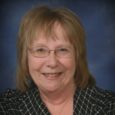
Tanya Eby is the award-winning narrator of over 600 titles. She is also a writer and publisher. She lives in Grand Rapids, Michigan. She’s a foodie and loves to do paint-by-numbers.
You are both an author and a narrator, but since you have a huge oeuvre of audiobooks, over 600, let’s start with them. How did you get started performing audiobooks, and what were your first days like?
I started about 15 years ago, so this was (shockingly) before iPhones and iPad. My first books were recorded while I had another job. I’d get a huge script, like four to six inches thick of the manuscript and go through, read, highlight, make notes, etc. It took me about four days to record in the studio, and by the end of the day, I wouldn’t talk and would only eat ice cream and soup. In that order.
Now, we use iPads, so there’s no bulky scripts or trying to turn pages silently. I usually take two to three days to record, and my voice is well oiled enough that I can eat whole food, even after a full day of narrating.
I got into audiobooks after doing a lot of radio commercials and plays. It was natural to audition for audiobooks when I learned it was an actual thing.
You won the Audie Award, the Oscar of the audiobook world, in 2017, for The Brink: Stories by Austin Bunn. What made this particular book so special, both for you and for the audience?
I love stories so much. I met Austin a number of years ago when he was living in Grand Rapids, Michigan. And we just clicked. So when he had a book come out, I made sure to read it. It was filled with stories about people on the brink of some kind of self discovery and I just loved that so much. I asked him if I could produce it as an audiobook, and he trusted me to give it a shot. I cast my friends and super talented narrators. We all had a connection to West Michigan. I wanted to represent the area. This was also my first production for Blunder Woman Productions, so it’s such a special book to me. That it won the Audie? Wow. Just wow.
Out of your long, varied career, what books have stood out as most memorable?
This is a really hard question for a narrator because when you’re narrating, you’re inside that book, it’s part of you. And if you ask me that question on a different day, you’ll get a different answer. Today, I’m thinking of a collection of short stories I narrated called Things We Lost in the Fire by Marina Enriquez. These are emotionally haunting stories from a feminine point of view. I also loved narrating the biography of Ernest Hemingway by Mary V. Dearborn. It was such an honor to narrate the first biography on Hemingway written by a woman. I’d love to see more nonfiction that is read by women, regardless of the gender of the person in the biography. And there are so many romances that have been a treat.
How has the world of audiobook narration changed since you first started out?
The biggest change is when I started, most audiobooks were on tape or CDs. Now, it’s mostly digital. Going digital has allowed narrators to build studios in their homes and work independently. This has been such a gift to me personally, to be able to work from my home, especially while my kids were young.
What advice did you find most useful when you were starting out and which you like to pass on to new narrators now?
My biggest advice would be to make sure you’re ready before reaching out to big publishers or casting agents. Or have some friends in the industry (Narrators, engineers) whom you can ask questions of. My other piece of advice is to pay attention to the story and the author’s choices, and less about the sound of your voice.
Now, let’s shift to your author hat. You have an MFA in creative writing. Which came first: your narration or your creative writing?
Creative writing! I’ve always loved acting, but it was because I loved reading words out loud. And when I was in college, books on tape were mostly for the blind, so it wasn’t a career choice. I’m so lucky that I was able to get in on the ground floor of the audiobook boom. Performing is very satisfying intellectually; writing satisfies my soul.
You have published a dozen books. What is your writing process like?
Because I’m so busy with narration and my business and my family, I can only write a little here and there. My big dream is to make enough income where I could devote two days a week to writing, but right now, my process is to sneak in a half hour or so whenever I can, and brainstorm while taking the dogs for walks.
You narrate some of your books, while others narrate some of them. What is it like to perform your own work vs. standing by while someone else performs it?
I love narrating my own work, but it does feel a bit like overkill. Plus, it’s fun turning the work over to someone else and seeing what they can bring to it. I feel like when I narrate a piece I’ve written, I stay true to my intention. When a narrator takes over for me, they don’t know my intention, so the audiobook becomes a new interpretation. I love that! (But it is hard to let go of your work and trust. I can now really empathize with writers who turn their work over to me to narrate.)
You also have a publishing company. How did you come to establish that, and what does it involve?
Mostly, I started my company because I wanted to publish some things that I knew other publishers wouldn’t. I have friends who write and their work hasn’t been widely read, but it’s still terrific. And I had some ideas for collaboration with writers and narrators that I couldn’t pitch to big publishers, mostly because I didn’t know who would listen to my ideas. So I just decided to do it. Now, Blunder Woman Productions has grown a bit and I’ve been able to publish audiobooks for more writers. I’m hoping it will help me get out of the booth a little to have time to write, and to plan more original audio productions. Fingers crossed. This is a long game and I’ve just gotten started.
What do you love about all you do in the book world?
I think to outsiders, it seems like I wear a lot of different hats: writer, publisher, performer, etc. But for me, it’s all one hat: storytelling. Everything I do circles around that one profound center: the beauty of storytelling. Stories have the power to heal and connect, to shape, to change us. And I can’t think of anything more powerful than being part of such wonder.
You can connect with Tanya at the following sites:
http://www.tanyaeby.com
Facebook page
@Blunder_Woman
@BlunderWomanPro
https://www.blunderwomanproductions.com